
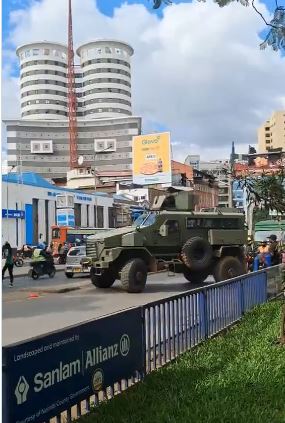
It’s the kind of Sunday that feels anything but peaceful in Nairobi. Videos popping up on X (formerly Twitter) show long convoys of police trucks and armored vehicles slowly cruising through the city center. The date? April 19, 2026. The reason? A grassroots call for a nationwide shutdown protest on Tuesday, April 21, over the latest fuel price shock from the Energy and Petroleum Regulatory Authority (EPRA).
If you’ve filled up your tank or hopped on a matatu lately, you already know the pain. EPRA dropped the new pump prices on April 15, and they hit hard. Super petrol jumped by nearly KSh 29 to KSh 206.97 per litre, while diesel shot up by over KSh 40 to KSh 206.84. Kerosene stayed flat at KSh 152.78, but that’s cold comfort when everything from bread to bus fares feels the ripple effect. Matatu operators wasted no time announcing a 25% fare hike. For ordinary Kenyans already stretching every shilling, this feels like the last straw.
That’s exactly why the hashtag #RejectFuelPrices exploded online. What started as frustrated posts quickly turned into organized calls for a total shutdown. No work, no school, no movement—just Kenyans saying “enough” to the spiraling cost of living. Opposition voices and everyday citizens joined in, sharing stories of how these prices are squeezing households dry. One viral clip from @KenyanSays captured the mood perfectly: police vehicles already rolling through the CBD, almost like a warning shot before the big day.
But here’s where things get tense. Nairobi Regional Police Commander Issa Mohamud stepped in fast. On Friday, he made it crystal clear—the planned protests are unlawful. Why? Because no one filed the official notification required under the Public Order Act. “We are aware of calls for protests next week,” he said, “but no official notification has been given. This makes the protests unlawful, and we will take appropriate action.” Police aren’t against peaceful picketing, he added, but everything has to follow the rules.
You can almost feel the frustration boiling over in the replies. Some users shrugged it off—“Tuesday is Tuesday”—while others pointed back to the 2024 protests that shook the country. There’s a mix of defiance, dark humor, and straight-up anger. One person joked about “military-grade equipment” being rolled out for civilians instead of borders. Another simply posted a photo of more police gear with the caption “We’ve got nothing to fear.” The vibe online is unmistakable: many Kenyans feel the government is more focused on controlling the streets than easing the pressure at the pump.
Let’s be real for a second. Fuel prices don’t rise in a vacuum. EPRA points to global market swings—the landed cost of imported petrol jumped over 41% in the latest review. Oil traders and international factors play their part, and the government did try to cushion the blow by tweaking VAT rates from 13% to 8%. Still, the net result is higher prices, and that’s what people are feeling in their wallets right now. Transport costs are climbing, food prices will follow, and small businesses are already bracing for slower days.
This isn’t just about one Tuesday. It’s about a deeper conversation Kenyans have been having for years: why does the cost of living keep outpacing wages? Why do fuel hikes seem to hit harder here than elsewhere? Past protests in 2024 showed how quickly economic grievances can turn into bigger questions about governance and priorities. Back then, young people—Gen Z especially—led the charge with nothing but phones and determination. The energy feels familiar this time around.
As I scroll through the comments, one thing stands out. People aren’t just venting—they’re organizing. Some are talking logistics, others are reminding each other to stay peaceful. A few voices warn that heavy policing could backfire and turn a protest into something messier. History has taught us that when citizens feel unheard, they find ways to make noise. The big question now is whether Tuesday’s action stays symbolic or spills into the streets.
For businesses in the CBD, it’s a nervous wait. Shops might shutter early, offices could send staff home, and traffic is already a nightmare on a normal day. Families are calculating how much extra a full tank will cost them this month. And for the government, the pressure is on to communicate clearly—explain the hikes, show what relief measures are coming, and maybe even engage directly with the concerns driving #RejectFuelPrices.
Nobody wants chaos. Kenya has seen enough of that. But ignoring the genuine hardship at the fuel pump isn’t working either. As the clock ticks toward April 21, the country is holding its breath. Will the shutdown happen? Will police and protesters find common ground? Or will this just be another chapter in the ongoing story of Kenyans pushing back against prices that refuse to stay reasonable?
One thing’s for sure: the videos of those police vehicles roaming the CBD aren’t just background noise. They’re a sign that everyone—from the man on the street to the authorities—is watching closely. Tuesday could be quiet. Or it could be the moment Kenya’s economic frustrations finally demand to be heard.
What do you think—will the protest go ahead, or will the warnings be enough to keep things calm? Drop your take in the comments. In the meantime, stay safe out there, Nairobi. We’re all feeling this one together.