
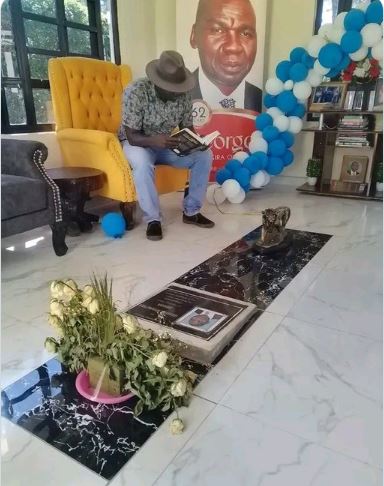
A single photo popped up on X the other day and suddenly everyone was talking about it. The image showed this grand, house-like structure in a quiet village in Asembo, Siaya County – complete with polished floors, curtains, and what looked like a cozy living space. But it wasn’t just any home. It was the final resting place of George Oduor, the man who spent over three decades as Raila Odinga’s trusted bodyguard. One Kenyan woman took to social media and asked the question on many minds: “Bana marry from your tribe… Mnazika mtu kwa nyumba? Kwa sitting room?” She called the whole thing retrogressive, and just like that, the comments exploded.
But here’s the thing – what she (and plenty of others) initially thought was a grave literally inside someone’s living room turned out to be something far more intentional and deeply rooted in culture. Let’s unpack the real story behind this viral moment, because it says a lot about how Kenyans are navigating tradition, loyalty, and the push-pull of modern life.
Who Was George Oduor, Anyway?
For anyone who followed Kenyan politics over the last few decades, George Nyang’ira Oduor wasn’t just “the bodyguard.” He was family to the Odingas. He started protecting Raila’s father, Jaramogi Oginga Odinga, and stayed loyal for more than 30 years, right up until his passing in early 2025. People who knew him described him as calm, professional, and fiercely dedicated – the kind of man who stood in the background but was always there when it counted. His burial in Ndori village, Asembo, drew big names: President William Ruto, Raila himself, governors, and crowds of ordinary folks who came to pay respects. It was emotional, heartfelt, and very public.
What really caught the internet’s eye, though, happened later. His wife, Caren, decided to honor him in a way that turned heads. She built a beautiful mausoleum right on the family homestead – a dedicated memorial structure that looks like a stylish modern house from the outside. Inside? It’s not a sitting room where the family sips tea while staring at a grave. The burial plot is outside, and the building was constructed around it as a permanent tribute. Think of it like a private chapel or shrine, complete with photos, mementos, and space for the family to gather on anniversaries. One video tour circulating online even points out Oduor’s love for Chelsea FC – little personal touches that make it feel alive.
Why the Backlash – And Why the Defense Hit Hard
The original post struck a nerve because, let’s be honest, burial customs vary wildly across Kenya. In many communities – especially urban or Christian-influenced ones – the idea is simple: cemetery plots, quick funerals, and moving on. Seeing what looked like a grave in a “house” felt shocking, even disrespectful to some. “This is torture,” one reply read. “Ukiamka kunywa chai unaona vitu ka hizi.” Others joked about tribal marriage or called it outdated.
But the replies came fast and firm. “This is a mausoleum,” multiple people explained. “He wasn’t buried inside the house – the house was built around the grave.” Luo traditions in Nyanza often emphasize keeping ancestors close. It’s not about haunting the living; it’s about respect, remembrance, and ensuring the departed remain part of the family compound. Similar practices exist elsewhere – think of how some Catholic churches bury saints under altars, or how ancient Egyptians built elaborate tombs. One commenter put it bluntly: “When your father dies, does that make him stop being your father?”
The debate wasn’t really about one grave. It tapped into bigger questions: How do we honor the dead in 2026 Kenya? Is “modern” always better, or are we losing something valuable when we ship our loved ones off to distant cemeteries?
Tradition Meets Modernity in Rural Siaya
If you’ve ever driven through Nyanza, you’ve probably noticed these impressive structures dotting the landscape. Mausoleums like Oduor’s are becoming more common among well-to-do families – not out of superstition, but as a way to celebrate legacy. George’s service to the Odinga family wasn’t just a job; it defined his life. Building something lasting was Caren’s way of saying thank you, not just to him, but to the community that raised him.
Don’t get me wrong – not everyone in Luo land (or anywhere in Kenya) does this. Urban migration, Christianity, and land pressures have pushed many toward simpler burials. But for families with deep roots in the village, these homes-turned-memorials keep history alive. They become gathering spots for prayers, stories, and even quiet reflection. As one local put it in a video tour, it’s “a touching symbol of love, respect, and remembrance.”
And honestly? The mansion itself is stunning. Photos from the memorial service showed a multi-story beauty with elegant finishes – proof that George lived well and was remembered even better. It challenged the stereotype of rural poverty and quietly celebrated hard work and loyalty.
What This Whole Saga Teaches Us
At the end of the day, the viral post wasn’t malicious – it was a genuine reaction from someone whose own cultural lens saw something unfamiliar. That’s Kenya for you: 44+ tribes, endless ways of doing life and death, all bumping into each other online. The pushback wasn’t tribalism; it was a gentle (and sometimes not-so-gentle) education on context.
Whether you prefer a quiet cemetery plot or a grand mausoleum on the family shamba, one thing’s clear – how we bury our people says everything about what we value. George Oduor protected one of Kenya’s most recognizable figures for decades. His final “home” ensures that protection, that loyalty, isn’t forgotten. It’s not retrogressive; it’s a love letter in concrete and glass.
Next time you scroll past a photo that makes you pause and wonder “What on earth…?”, maybe dig a little deeper. Kenya’s cultural tapestry is richer for it. And who knows? You might just walk away with a new appreciation for the ways we say goodbye – and hello – to the ones we lose.
What do you think? Would you want something like this for a loved one, or keep it simple? Drop your thoughts below – respectful ones only, of course. After all, we’re all just trying to figure out this life (and afterlife) thing together.